Contact us
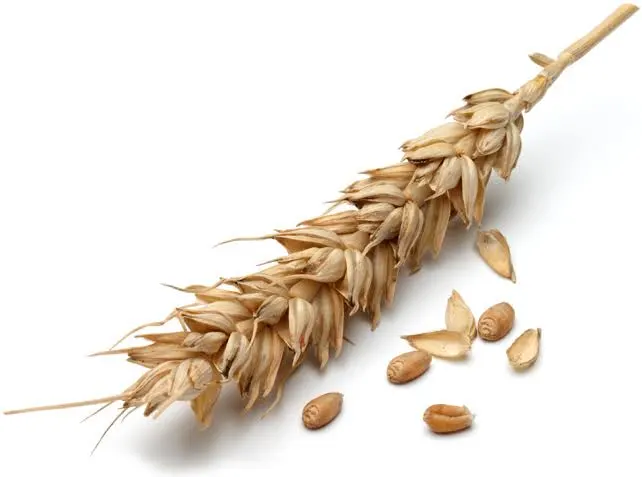
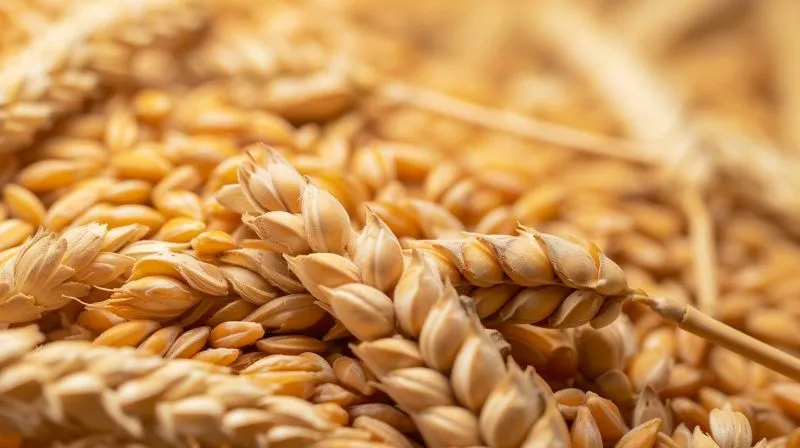
According to official data, winter wheat production in China this year rose to 138.95 million tonnes, up 0.6% from last year, despite flooding in several major agricultural regions, Reuters reports.
The area under wheat cultivation decreased by 0.3% compared to last year, to 23.01 million hectares.
Autumn rains delayed winter wheat sowing, but favorable weather during the growing season and effective pest control contributed to good crop development, while government support measures helped weak seedlings recover, Wei Fenghua, director of the National Bureau of Statistics’ agricultural research department, said in a statement. Timely rains also boosted yields, especially for rainfed wheat, he added.
In late May, heavy and persistent rains hit central Hubei Province and parts of Henan Province, China’s largest wheat producer, just as farmers were beginning their harvest. Henan accounts for more than a quarter of China’s wheat production.
Analysts estimate that the excessive rainfall resulted in the germination of between 4.8 and 10 million tons of wheat—a relatively small amount, as the dry weather that followed the rains in key production areas helped limit damage.
China, the world’s largest wheat producer and consumer, typically meets most of its needs domestically, importing only limited quantities of high-quality grain.
© Association of producers,
Processors and Exporters of Grain, 1997-2026.
When quoting and using any materials
reference to the Ukrainian Grain Association is obligatory.
If you use the Internet, you must also use
the hyperlink to https://uga.ua
 Site development
To register on the website, please contact the administration UGA admin@uga.ua